January 4, 2026
Ingrown toenails are a very common foot condition and one of the most frequent reasons patients visit a podiatrist. While they may seem minor at first, ingrown toenails can significantly affect daily life, causing pain with walking, wearing shoes, or even putting on socks. When left untreated, they can worsen and lead to infection.
Ingrown Toenails Are on the Rise
Ingrown toenails are becoming increasingly common due to a combination of factors, including tight footwear, improper nail trimming, frequent pedicures, and active lifestyles. Many people also delay treatment, assuming the discomfort will resolve on its own. Unfortunately, ingrown toenails rarely improve without proper care and often become more painful over time.
What Is an Ingrown Toenail?
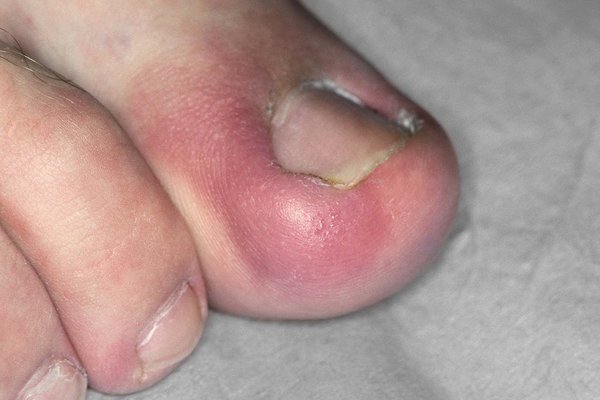
An ingrown toenail happens when the edge or corner of the toenail grows into the surrounding skin instead of growing straight out. This most often affects the big toe but can occur on any toe. As the nail presses into the skin, it causes irritation, inflammation, and pain.
How to Know If You Have an Ingrown Toenail
The most common early symptom of an ingrown toenail is pain along the corner of the toenail. The area may feel tender or sore, especially when pressure is applied.
Early signs include:
If simple daily activities begin to cause toe pain, it is a strong indicator that an ingrown toenail may be developing.
Signs an Ingrown Toenail Is Getting Worse
As an ingrown toenail progresses, symptoms often become more noticeable and more severe. These may include:
At this stage, Podiatric treatment is recommended to prevent further complications.
Treatment for Ingrown Toenails
Ingrown toenails often require a nail avulsion, a common in-office procedure performed by a Podiatrist. A nail avulsion involves carefully removing the portion of the nail that is growing into the skin. This relieves pain, reduces inflammation and allows the toe to heal properly.
When performed by a skilled Podiatrist the nail avulsion is a safe and effective treatment that provides rapid relief and helps prevent recurrence.
A Common Cause Many Patients Don’t Realize
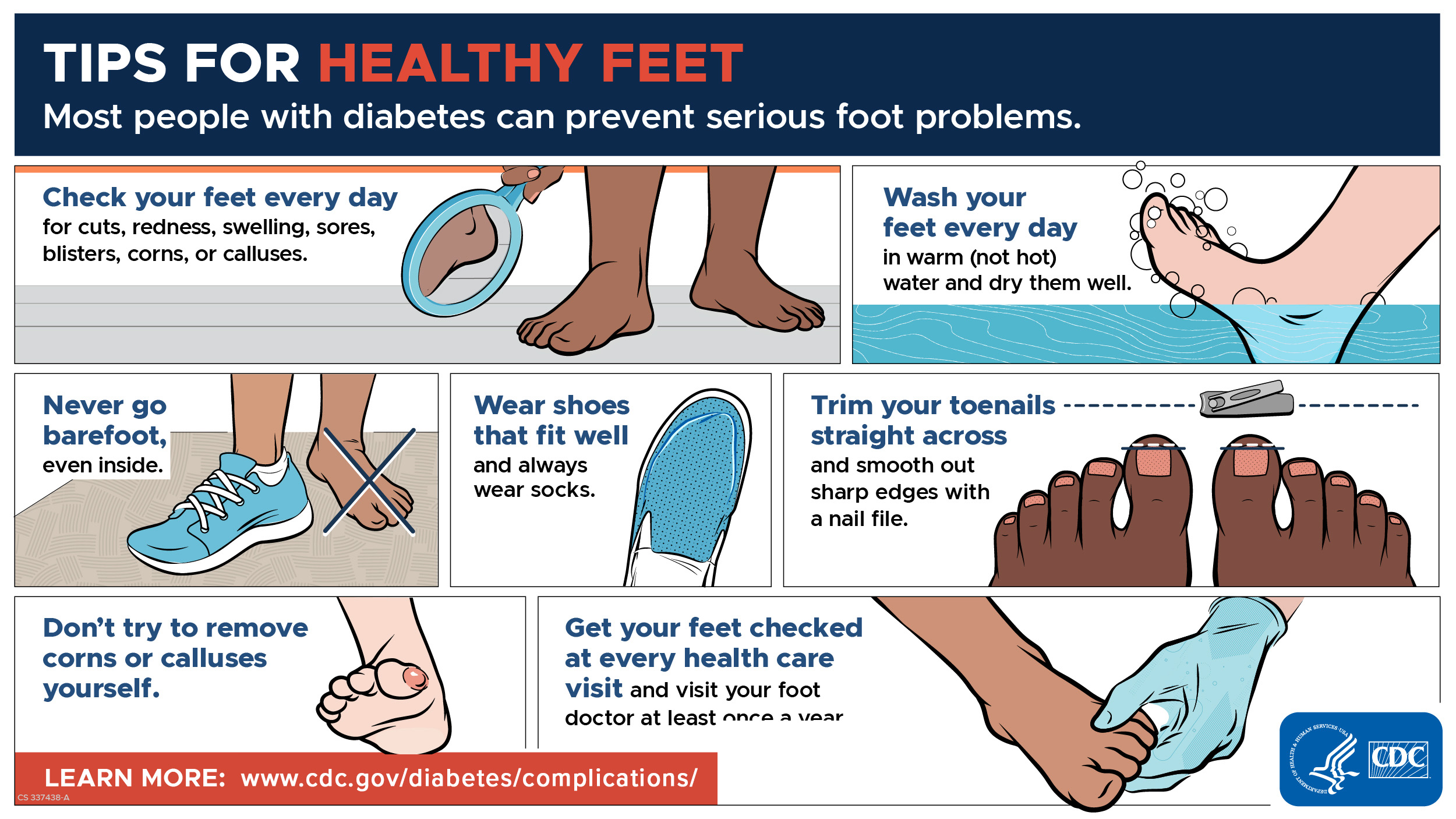
Many traditional nail salons trim nails too short or round the corners, which can increase the risk of ingrown toenails. Nails should be trimmed straight across, not curved, to reduce pressure on the surrounding skin and promote healthy nail growth.
Don’t Delay Treatment If You Think It’s Time To See A Podiatrist
If you are experiencing ongoing toe pain, swelling, drainage, or difficulty wearing shoes, it is time to see a Podiatrist. Early treatment can prevent infection, reduce discomfort, and help you return to normal activities more quickly.
Ingrown toenails are common, treatable and best addressed early. Professional evaluation ensures proper care and long-term relief.


Dr. David Auguste, DPM, (DABPM)